If you love homes with personality, Woodridge is one of the most interesting places to watch on Terre Haute’s east side. This subdivision stands out for its mature trees, generous lots, and strong collection of mid-century homes that still feel practical for modern living. If you are drawn to classic ranches, split-level layouts, and original details with room for thoughtful updates, this guide will help you understand what makes Woodridge special. Let’s dive in.
Why Woodridge Stands Out
Woodridge, sometimes also called Woodridge Park, has the feel of an established east-side Terre Haute subdivision rather than a newer edge-of-town development. Public-record neighborhood data points to a median year built of 1958, which helps explain the strong mid-century character found throughout the area.
That postwar identity is part of the neighborhood’s appeal. Historical context for the Terre Haute market shows subdivision growth moving toward the eastern fringe during that era, and Woodridge reflects that pattern with homes that date largely to the 1950s and 1960s, along with some later 1970s additions.
Another big part of the story is scale. Neighborhood data lists a median lot size of 24,829 square feet, and examples in the area commonly fall around half an acre to three-quarters of an acre. In a market where lot size can shape both privacy and curb appeal, that extra room matters.
Mid-Century Styles You’ll See
Ranch homes lead the way
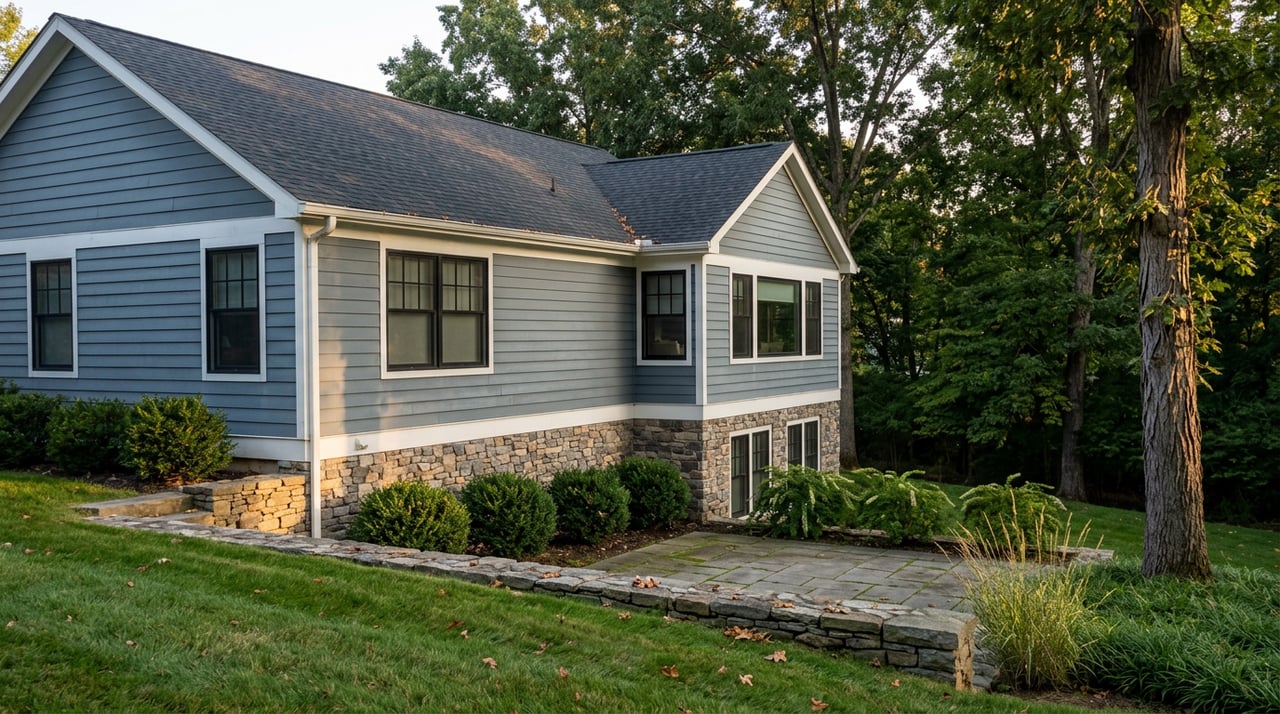
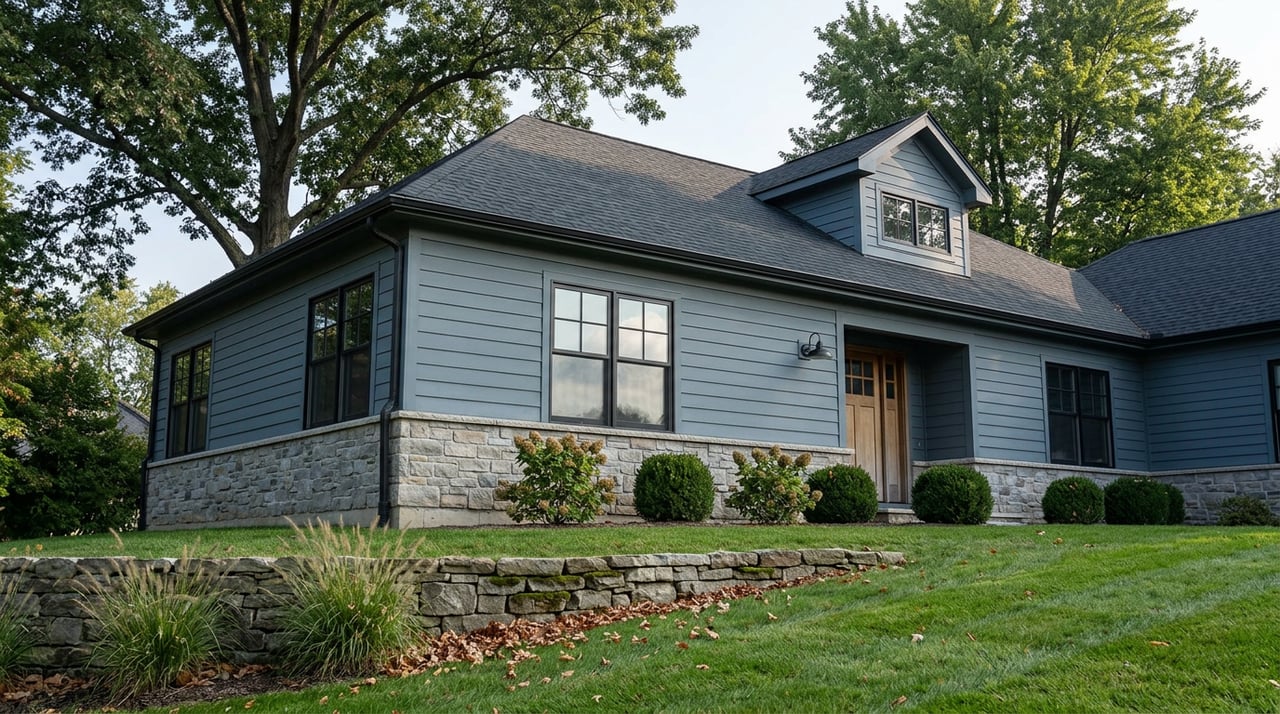
The most recognizable Woodridge homes are ranches. These homes are typically one story with long, low rooflines, overhanging eaves, large picture windows, and a layout that supports easy movement between living spaces.
That design still connects with buyers today because it feels simple and functional. Ranch homes often offer strong indoor-outdoor flow, built-ins, and large common areas that are easy to adapt without losing the original character.
Split-level homes add variety
Split-level homes are also common in Woodridge. These homes usually feature low-pitched roofs, asymmetrical fronts, integrated garages, and separate levels for gathering, sleeping, and quieter daily routines.
For many buyers, that layout offers a practical middle ground. You get some separation of space without the full vertical feel of a traditional two-story home.
Other home types appear too
While ranches and split-levels define much of the neighborhood, you may also see cottages, bungalows, and a handful of later homes mixed in. Brick and painted-brick exteriors are common, and attached single-stall garages show up often in neighborhood descriptions.
That mix gives Woodridge a more layered feel than many subdivisions from the same period. It reads as cohesive, but not repetitive.
The Details That Give Woodridge Charm
Mid-century appeal is not just about age. It is about the design choices that still stand out decades later.
In Woodridge, buyers are often drawn to details like:
- Brick or stone exterior elements
- Broad rooflines
- Picture windows
- Fireplaces
- Built-ins
- Carports or attached garages
- Strong indoor-outdoor flow
These features give homes a sense of identity that can be hard to replicate in newer construction. Even when a home has been updated, those original elements often do the heavy lifting when it comes to character.
One especially notable local example is the 1962 Maloof House in Woodridge. Indiana Landmarks has highlighted it as a modern-style home with a wall of brick and plate glass, a carport, a broad gable, original kitchen cabinetry, and a wood-parquet accent wall. It is a strong reminder that Woodridge includes both classic suburban mid-century homes and more design-forward modern examples.
Lot Size and Setting Matter Here
In Woodridge, the homes are only part of the appeal. The setting is a major reason people stay interested in this subdivision.
Neighborhood sources describe Woodridge as a quiet, tree-covered area on the east side of Terre Haute. The larger lot sizes support that impression, giving many homes space for mature landscaping, wider setbacks, and a more private feel.
That east-side location also places Woodridge near some of Terre Haute’s established green spaces. The City of Terre Haute says Deming Park spans 177 acres and includes an arboretum, disc golf, a pool, and other recreation. Dobbs Memorial Park adds a nature center, museum, woods, and about three miles of trails.
For buyers, this combination can be a sweet spot. You get a neighborhood with a wooded, settled feel while still having convenient access to Wabash Avenue, US 40, and nearby destinations on the east side.
What Modern Buyers Usually Want
One of the most consistent patterns in Woodridge is this: buyers tend to appreciate homes that keep their original mid-century bones while improving everyday function.
Recent listing examples in the neighborhood point to updates such as:
- New roofs
- Replacement windows
- Updated HVAC systems
- Refreshed kitchens and baths
- Sunrooms
- Decks
- Added or improved living spaces
That approach fits the neighborhood well. In many cases, the best updates are the ones that support how you live now without overwhelming the original design.
Updates that feel right
In a mid-century home, not every renovation adds value in the same way. Changes that tend to feel most compatible are the ones that respect the original shape, window pattern, and materials while improving comfort and efficiency.
Examples from Woodridge listings show this clearly. Some homes have updated kitchens, radiant floor heat, remodeled living spaces, oversized garages, or three-season sunrooms, yet still keep the visual identity that makes the house appealing in the first place.
Original features still matter
The National Park Service notes that ranch homes were often personalized over time, but defining elements such as facade rhythm, built-ins, windows, and other historic fabric still matter. In practical terms, that means a home can evolve without losing the qualities that made it attractive to begin with.
For buyers in Woodridge, that balance is often the goal. You want the convenience of modern systems, but you also want a home that still feels like Woodridge.
What Buyers Should Notice in Woodridge Homes
If you are touring homes in Woodridge, it helps to look past surface finishes and focus on the features that shape long-term value and livability.
Pay close attention to the lot, the placement of the home, and how the house connects to the yard. Mid-century homes often shine when they have good window lines, strong natural light, and easy access to patios, decks, or sunrooms.
You should also look at whether updates feel consistent with the age and style of the home. A refreshed kitchen or newer windows may add day-to-day comfort, but the overall layout, roofline, and exterior presence still drive much of the home’s appeal.
Finally, compare each property within the context of the neighborhood. Since Woodridge includes a core of 1950s and 1960s homes with some later infill, there can be meaningful differences in design, lot size, and update level from one street to the next.
Why Woodridge Appeals to Sellers Too
For homeowners thinking about selling, Woodridge offers a clear identity that can help a listing stand out. Buyers searching for established east-side homes often respond to subdivisions with recognizable character, mature trees, and larger parcels.
That means presentation matters. When a Woodridge home highlights its lot, original architectural features, and smart updates, it can connect with buyers who want something more distinctive than a basic cookie-cutter layout.
This is also where neighborhood expertise matters. A seller benefits from marketing that understands how to position ranches, split-levels, and updated mid-century homes to the right audience, especially when the home’s value comes from a mix of design, setting, and practical improvements.
If you are trying to buy or sell in Woodridge, local context can make the process much clearer. Working with a broker who understands east-side subdivisions, buyer expectations, and how to market homes with character can help you make more confident decisions. If you want practical guidance on Woodridge and other Terre Haute neighborhoods, reach out to Andrew Southard Realty, LLC.
FAQs
What home styles are common in Woodridge Subdivision homes?
- Woodridge is known mainly for ranch homes and split-level homes, with some cottages, bungalows, and later homes mixed in.
How old are most homes in Woodridge in Terre Haute?
- Many Woodridge homes date to the 1950s and 1960s, and neighborhood data lists a median year built of 1958.
How large are lots in Woodridge Subdivision?
- Lots are often generous by subdivision standards, with neighborhood data listing a median lot size of 24,829 square feet and many homesites around half an acre to three-quarters of an acre.
What original features make mid-century Woodridge homes appealing?
- Buyers often look for details such as brick or stone elements, picture windows, fireplaces, built-ins, broad rooflines, carports or attached garages, and strong indoor-outdoor flow.
What updates fit Woodridge mid-century homes best?
- Updates that usually fit best include refreshed kitchens and baths, newer roofs, windows, HVAC systems, and additions like sunrooms or decks that do not overpower the original form.
Why do buyers like the Woodridge location on Terre Haute’s east side?
- Buyers often like Woodridge for its mature trees, larger lots, quiet residential feel, and convenient access to east-side routes, parks, and nearby destinations.