Eyeing a newer home in Watertree but not sure where to start? You want the right mix of modern features, a realistic budget, and a smooth path to closing. In this guide, you’ll learn what “newer construction” looks like in Watertree, how pricing and timelines usually work, and the exact steps to protect your purchase from contract through move‑in. Let’s dive in.
Why Watertree appeals for newer homes
Watertree sits on Terre Haute’s east side and includes several phases, which means you’ll see a range of build years from the mid‑1990s to custom homes in the 2000s, plus a wave of spec builds around 2020 to 2021. Lots commonly run about 0.28 to 0.33 acres. Many sites are set up for basements or crawlspaces, and some back to trees or lower‑density buffers depending on the phase.
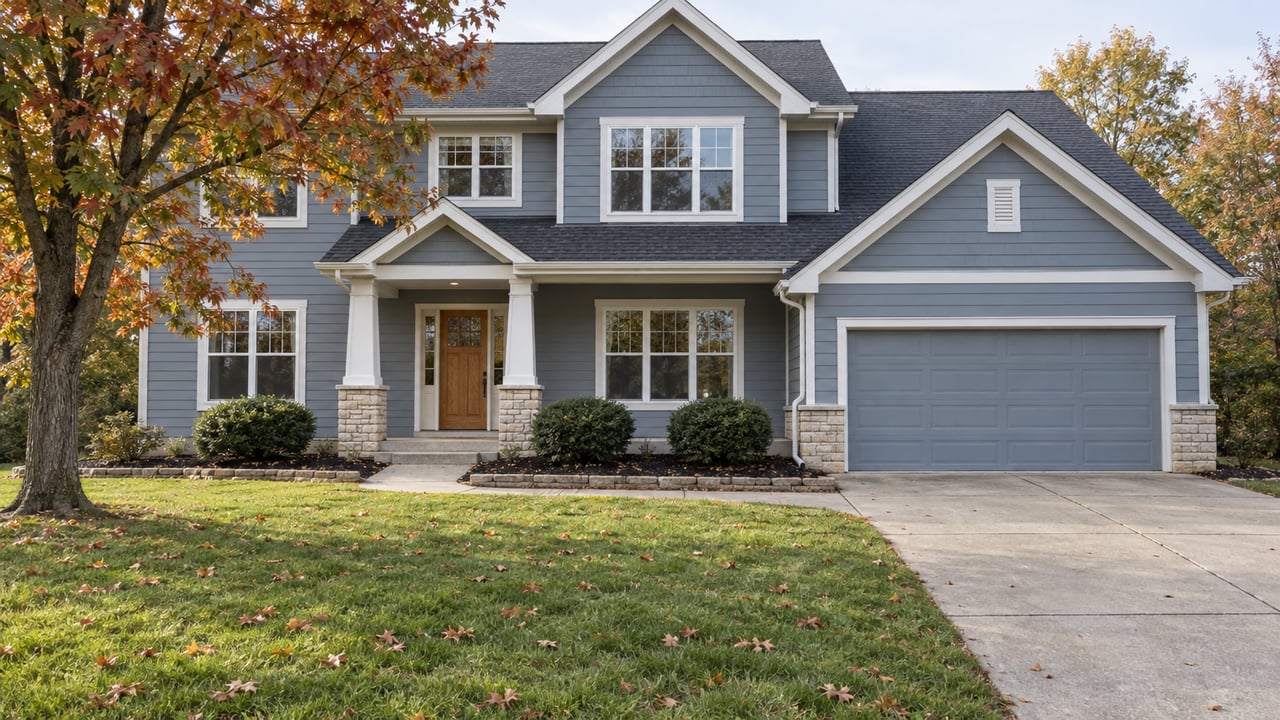
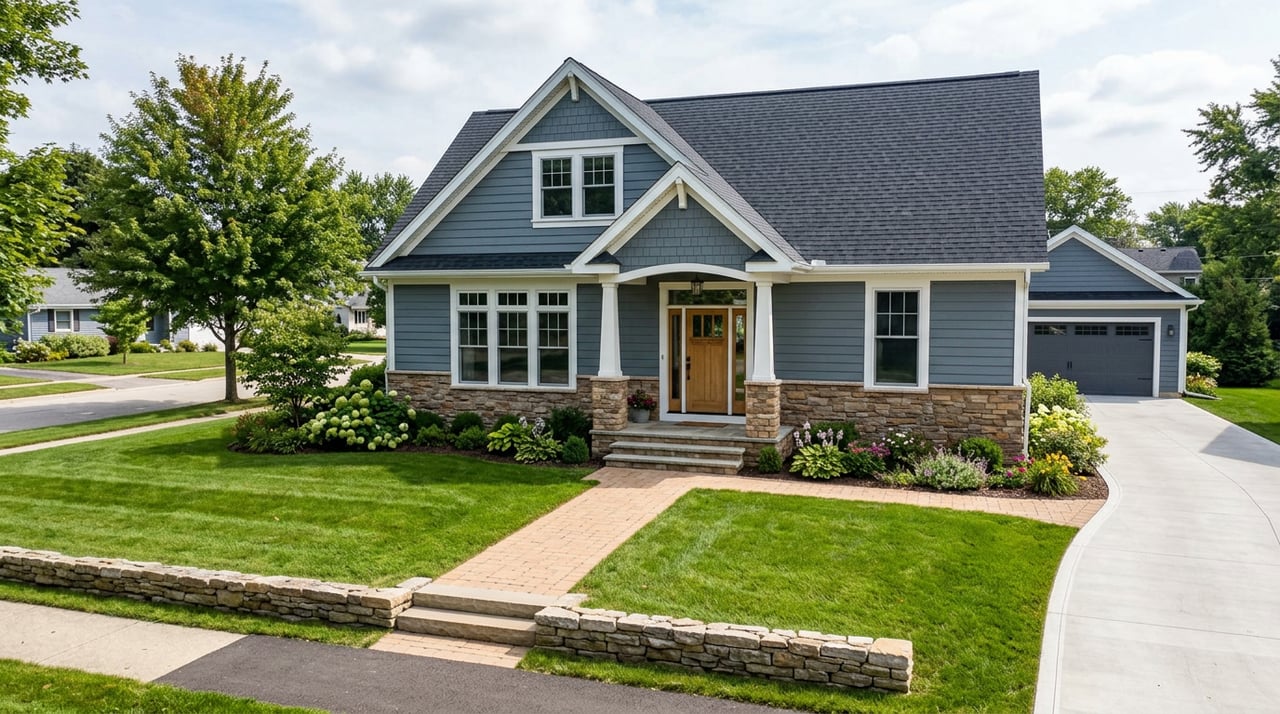
You’ll find a mix of single‑story ranch plans and traditional two‑story homes. Newer examples often feature 3 to 5 bedrooms, 2 to 3 or more baths, and 2 to 3 car garages. Finished living space commonly ranges from roughly 2,000 to 4,000 square feet based on recent examples.
What newer construction looks like in Watertree
Floor plans and finishes
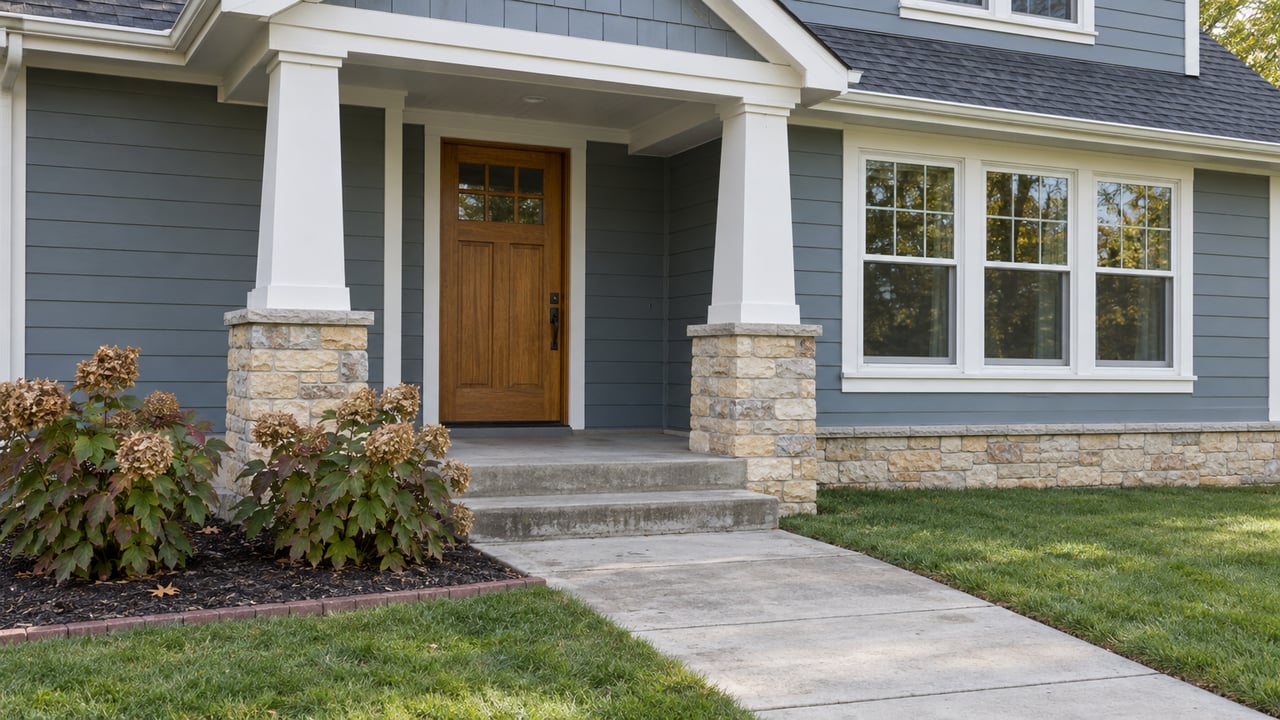
Recent Watertree spec builds highlight open kitchens with islands, granite or quartz counters, and gas ranges in some plans. You can expect 9 to 10 foot ceilings or vaulted areas, main‑level primary suites in select layouts, and mixed brick or vinyl exteriors. Energy‑efficient mechanicals are typical for the 2020 to 2021 builds, and garages often allow for extra storage.
When you compare homes, ask for the builder’s inclusions list. It should spell out what is standard versus an upgrade, including appliances, window packages, and finish levels. This helps you compare value across multiple homes.
HOA and utilities
MLS entries for Watertree phases often show low HOA dues, but the amount and what is covered vary by phase. Because there is no central public HOA site noted in research, always request the full HOA packet and recorded covenants before you commit.
Many Watertree homes connect to municipal water and city sewer. Confirm all utility hookups and any easements on the recorded plat for your specific lot.
Price and budget expectations
Price context in 47803
Watertree’s newer homes generally price above the broader 47803 ZIP median because they tend to be larger and more recent. Recent examples in Watertree show spec or quick‑move homes around the mid to high 300s, with larger custom homes reaching into the 400s. For the sharpest estimate, use recent comparable sales inside the same Watertree phase.
Taxes, insurance, and dues
Annual property taxes for typical Watertree values run a few thousand dollars, depending on the parcel. Add homeowner’s insurance and any HOA dues to your monthly budget. These carrying costs help you compare two similar homes on a true monthly basis.
Builder incentives and financing
Builders often use incentives like price adjustments, closing cost credits, or interest‑rate buydowns. Recent industry reporting shows incentives are common, so weigh which option best reduces your total cost. A permanent rate buydown can lower your payment more than a one‑time credit in many cases. See current industry context from the National Association of Home Builders in this report on builder confidence and sales expectations: NAHB press update on incentives and outlook.
If you are building from scratch, ask your lender about construction or construction‑to‑permanent loans so you understand down payment, draws, and rate locks. This quick primer explains how construction loans work: what a construction loan is and how it funds stages.
Timelines: spec vs to‑be‑built
If you purchase a finished spec home, your closing can feel like a standard resale timeline, often about 30 to 60 days. If you sign for a made‑to‑order build, plan on about 6 to 12 months from contract to completion. Weather, permits, and materials can affect timing. For a general overview of build durations, read this guide on how long a new home typically takes to build.
Due diligence checklist for Watertree buyers
Use this practical list to protect your purchase and keep surprises to a minimum.
Get the full builder warranty in writing. Prefer an insurer‑backed 1‑2‑10 plan that covers one year workmanship, two years systems, and ten years structural. Learn how these policies work here: overview of 1‑2‑10 builder warranties.
Request the HOA packet and recorded CCRs early. You want the rules, dues, and any special assessments before you sign.
Confirm utilities and easements. Verify water, sewer, electric, and gas, and review the recorded plat for any drainage or conservation areas affecting your lot.
If you are building, book a pre‑drywall inspection with an independent inspector. Municipal checks focus on code. Your inspector looks for workmanship and plan deviations before walls are closed. Typical new‑construction inspection costs are modest compared to the protection they provide. See common questions in this inspection FAQ.
Schedule pre‑final and final walkthroughs. Create a punch list, document items with photos, and confirm the timeline for completion in writing.
Run targeted tests before closing. Do a radon test, a sewer scope if needed, and a grading review to ensure water flows away from the foundation. Vigo County is an EPA Zone 2 area for radon, which means moderate risk, so testing is smart. If mitigation is needed, local costs are outlined here: typical radon mitigation costs in Vigo County.
Plan an 11‑month warranty inspection. An independent check a month or two before your one‑year anniversary helps you file warranty items while coverage is active.
Collect final documents. Ask for the certificate of occupancy, manuals, appliance paperwork, and all warranty cards at closing.
Verify the builder’s local footprint. Check membership with the Western Indiana Builders Association and confirm any third‑party warranty participation. You can search membership here: Western Indiana Builders Association members.
Newer vs older east‑side homes: key differences
Maintenance and warranties
Newer homes typically need less immediate work and come with builder warranties that lower short‑term repair risk. Older homes can require faster spend on items like roofs or HVAC. Plan to use your 11‑month inspection to capture warranty items while coverage is active. For a refresher on warranty structure, review this 1‑2‑10 coverage overview.
Energy and code benefits
Indiana enforces a residential energy code based on the 2018 IECC with amendments. Homes built to current standards usually run more efficiently than older stock, which can reduce operating costs. Ask for any HERS or performance data if available. See Indiana’s status here: Indiana energy code profile.
Lot maturity and neighborhood feel
Older east‑side neighborhoods may have more mature landscaping, and newer Watertree phases often feature wider drives and updated site engineering. Walk each lot to evaluate privacy, sun exposure, drainage, and outdoor space. Decide which tradeoffs fit your day‑to‑day life.
How to compare two newer Watertree homes
Use this quick approach to make an apples‑to‑apples decision:
- Pull recent sales in the same Watertree phase when possible.
- Line up square footage, bedroom and bath counts, and basement type.
- Use the builder’s inclusions list to tag standard items vs upgrades.
- Compare monthly cost, not just price. Include taxes, insurance, and HOA dues.
- Negotiate incentives for long‑term value. A rate buydown can beat a one‑time credit in many cases. See current trends in the NAHB outlook.
Flood and environmental checks
FEMA maps can vary block by block, so check the exact address. Use the FEMA Flood Map Service Center to search your lot, review the panel, and confirm any insurance requirements. Start here: FEMA Flood Map Service Center.
Your next step
Buying newer construction in Watertree can be a great move if you align the right plan, price, and protections. If you want help comparing phases, reading CCRs, or negotiating builder incentives for the best monthly payment, let’s talk. Connect with Andrew Southard Realty, LLC for local guidance and a clear plan from search to close.
FAQs
What price range should I expect for newer Watertree homes?
- Recent examples suggest the mid to high 300s for many spec homes, with larger custom properties reaching into the 400s. Always verify with current comps inside the subdivision.
How long does a to‑be‑built home usually take in Terre Haute?
- A made‑to‑order build often runs about 6 to 12 months from contract to completion, while a finished spec home can close in roughly 30 to 60 days.
Do Watertree homes have high HOA fees?
- Many phases show relatively low dues, but amounts and coverage vary. Get the HOA packet and recorded CCRs early so you know rules, fees, and any assessments.
What inspections should I order for new construction?
- Book a pre‑drywall inspection, a final inspection, and a radon test. Consider a sewer scope and grading review, then plan an 11‑month warranty inspection after move‑in.
Are newer Watertree homes more energy efficient than older ones?
- Newer homes are built to updated energy codes, which typically improves efficiency versus older stock. Ask for HERS or performance data if available and confirm insulation and mechanical specs.
How do builder incentives work, and what is best to negotiate?
- Builders may offer credits, price adjustments, or rate buydowns. A permanent rate buydown often reduces total cost the most. Compare options with your lender before you sign.